Day trips from Lisbon
Our guided day trips start in Lisbon and go back to the places where Portugal began. Here they are by distance from the city, from Sintra’s hills to the Templar city of Tomar.
-
23km
Sintra Since 1147
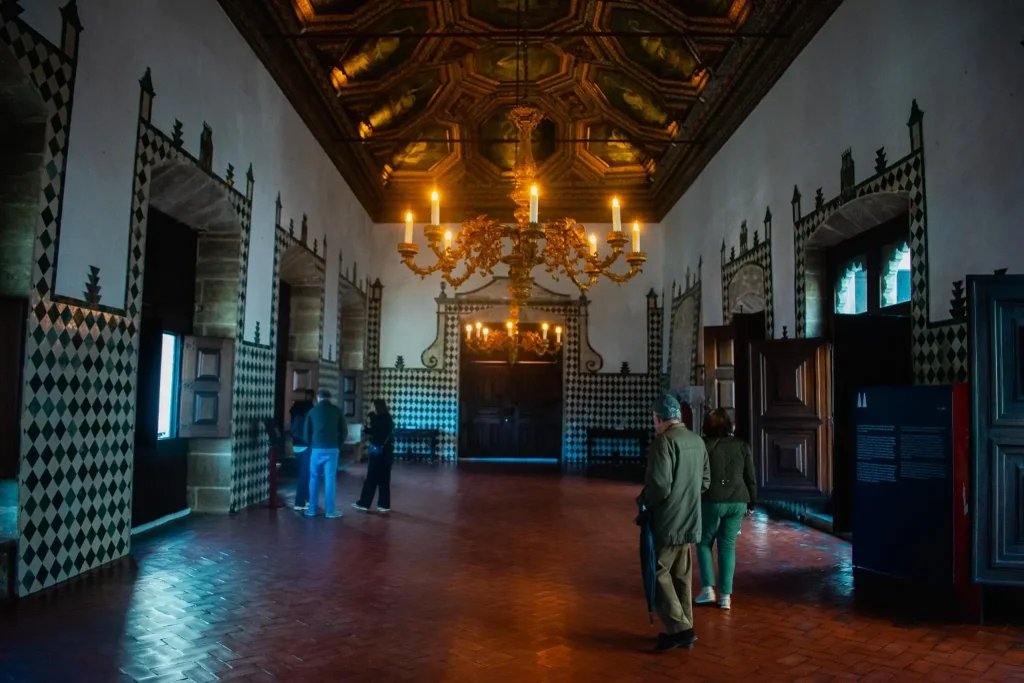
People settled in the Sintra hills long before Portugal existed, and the Romans knew the range as the Mountain of the Moon. The Moors built the castle on its ridge, and in 1147, after the conquest of Lisbon, the hills passed to the first king of Portugal, Afonso Henriques. The National Palace became a royal residence in the Middle Ages and stayed in use for centuries, and in the 19th century Romantic kings turned the hills into the landscape of palaces and gardens that UNESCO listed in 1995.
 Sintra · LisbonPickup
Sintra to Lisbon Sunrise Hike with a Local Guide
Hike from Sintra to Lisbon on a guided tour. Discover the myths of the Mountain of the Moon, and watch the sunrise over Lisbon from a viewpoint above the city.
 Sintra
 Origins Walk: Monte de Santa Eufémia & Local Snacks
Discover the origins of Sintra on a guided walking tour. Explore the Monte de Santa Eufémia, learn about its history, and enjoy a tasting of local pastries or regional snacks.
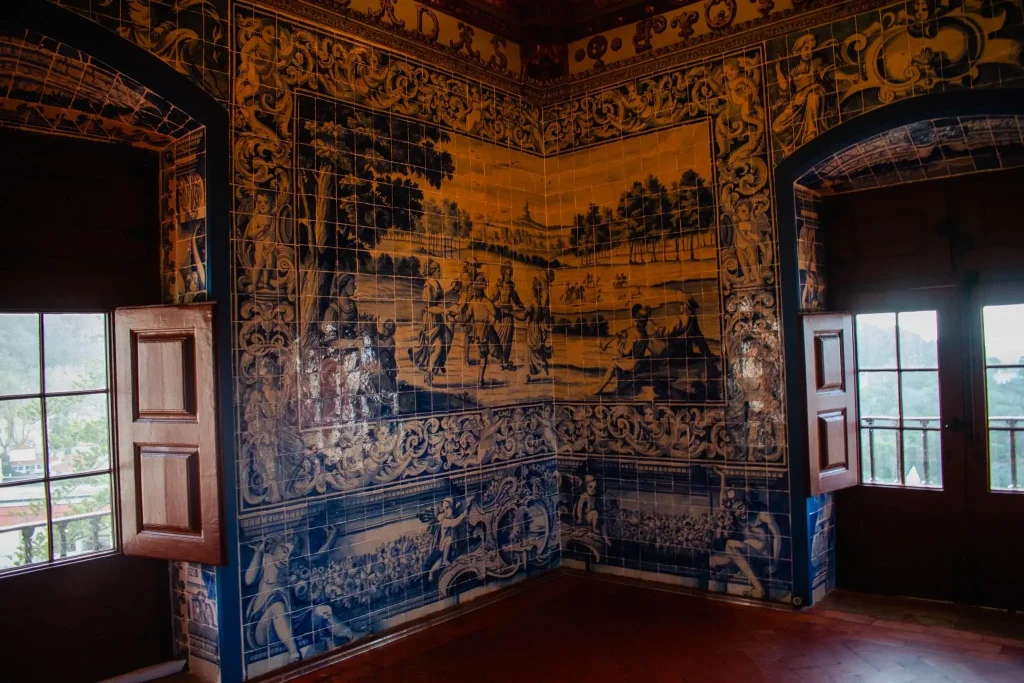 Sintra
 National Palace: 3-Hour Guided Visit
Discover the Sintra National Palace on a guided tour. Explore the oldest royal palace in Portugal and learn about its history and significance.
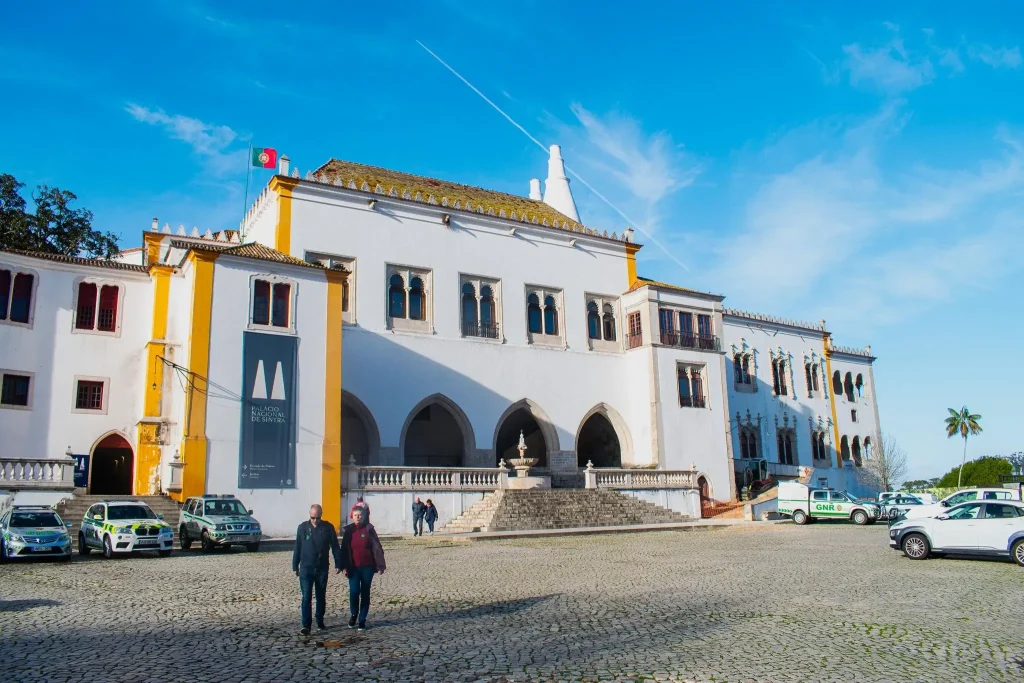 SintraPickup
Sintra National Palace Guided Tour from Lisbon
Explore the Sintra National Palace on a guided tour. Discover the history of Portugal's oldest royal palace and learn about the lives of the kings and queens who lived there.
 SintraPickup
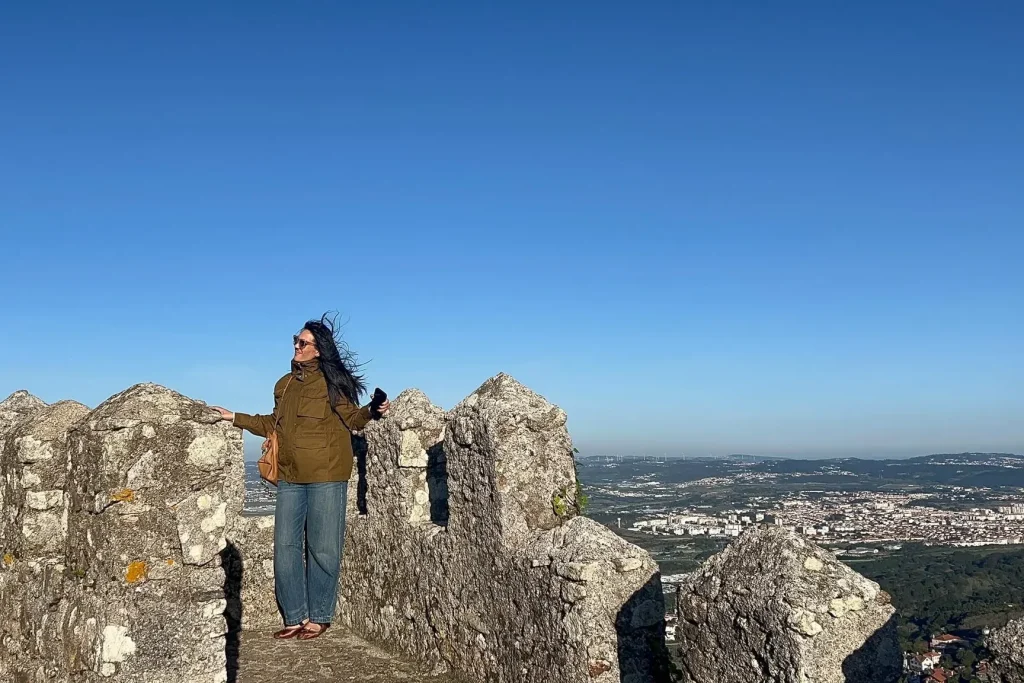
Sintra Moorish Castle Guided Tour
Step back in time on a guided tour of the Moorish Castle in Sintra. Learn about the Christian Reconquest of Portugal and enjoy panoramic views over Sintra, the Atlantic coast, and the Tagus Valley.
-
25km
Cascais Royal since 1870
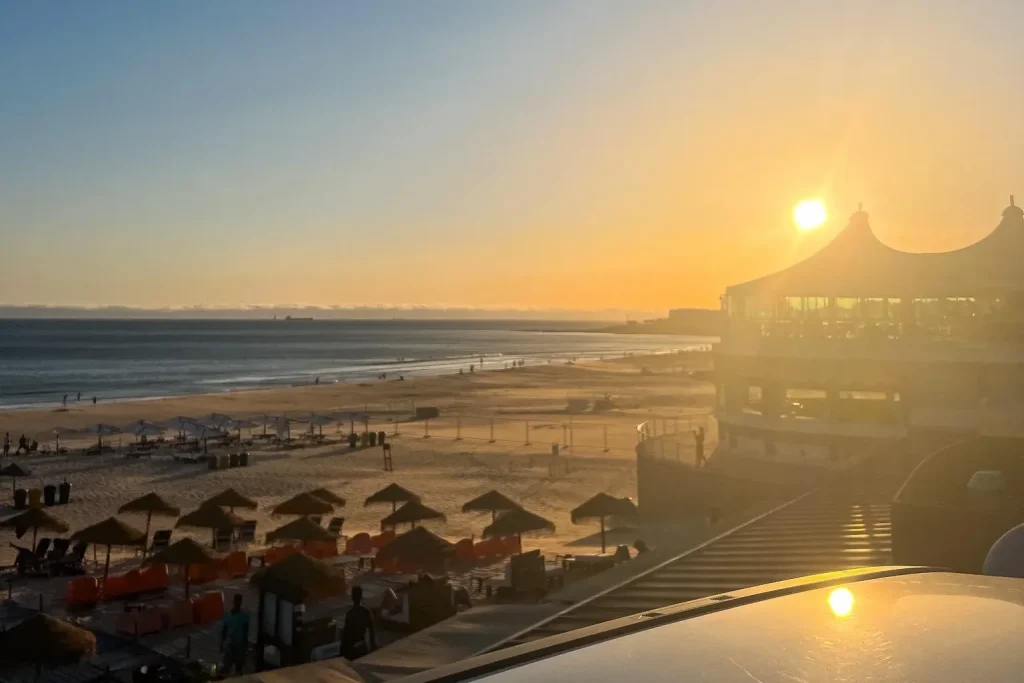
Cascais was a fishing village at the mouth of the Tagus until 1870, when King Luís I chose its citadel as the royal summer residence and the court followed him to the sea. Villas and promenades spread along the coast to Estoril, which during the Second World War and after became a refuge for European royal families in exile. The road from Lisbon to Cascais tells the story of how fishing villages became Lisbon's Atlantic Riviera.
-
28km
Peninha 17th-century sanctuary
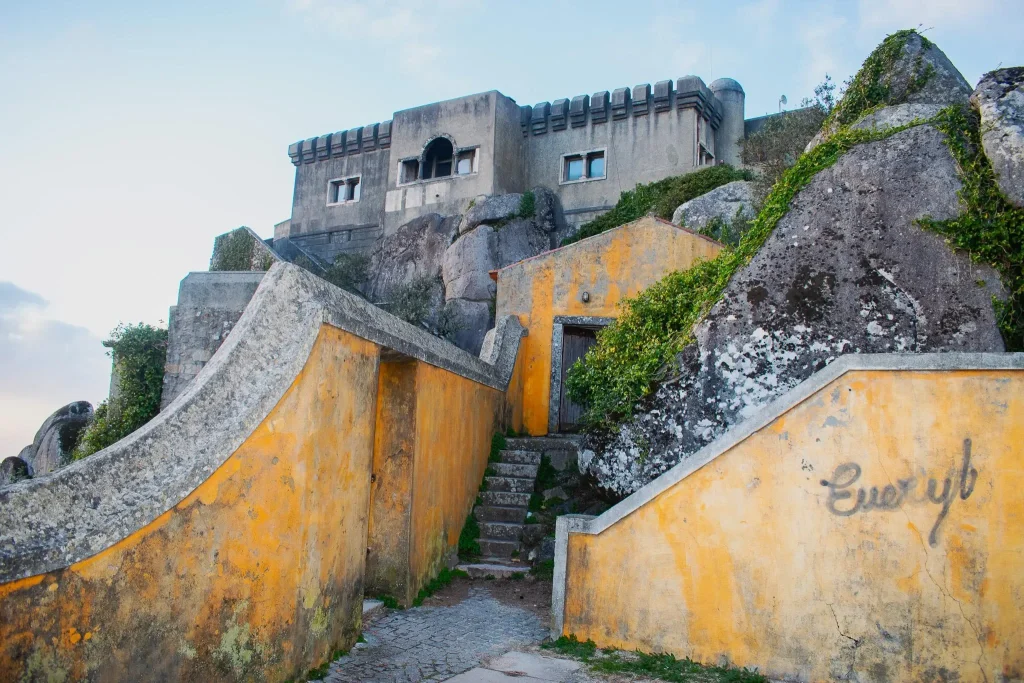
Peninha is a small sanctuary on one of the highest points of the Sintra hills, above the cliffs of Cabo da Roca. Local tradition tells of an apparition of the Virgin to a young shepherdess, and a chapel was built on the rock in the 17th century. From here pilgrims prayed and sailors watched the horizon, and on clear days the view runs from the Atlantic coast to Lisbon and the Tagus.
-
29km
Mafra Since 1717
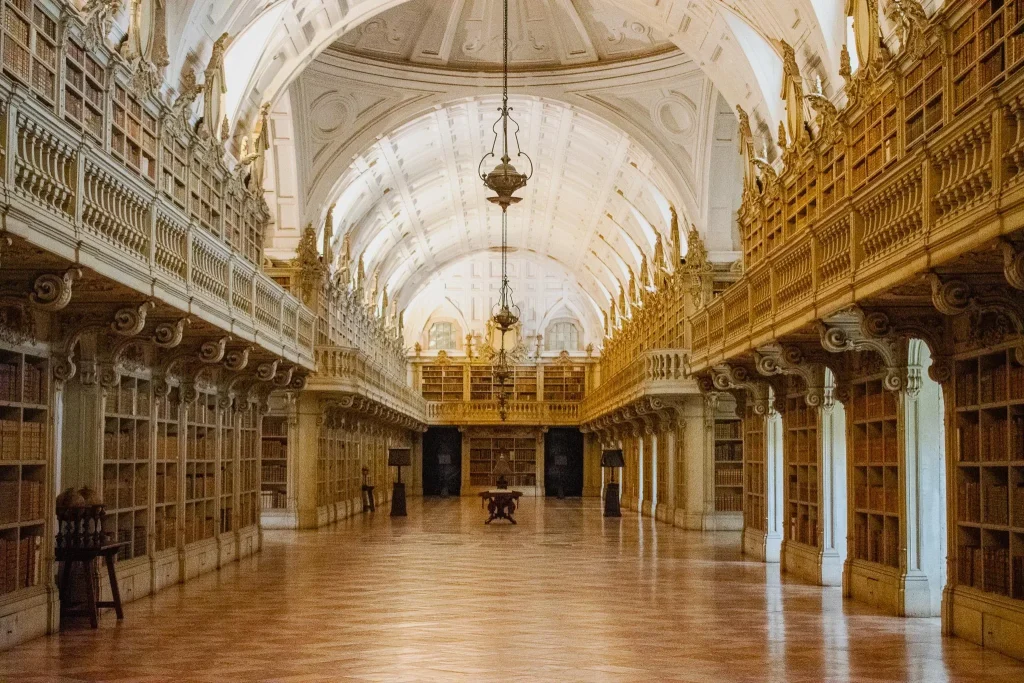
In 1711 King João V promised to build a convent if the queen gave him an heir. Work began in 1717, and the promise grew into one of the largest monuments in Europe: palace, basilica and convent under one roof, with a Baroque library of about 36,000 books, still protected at night by a colony of bats. The walled hunting park of Tapada de Mafra was added in 1747, and the whole royal complex became a UNESCO World Heritage Site in 2019.
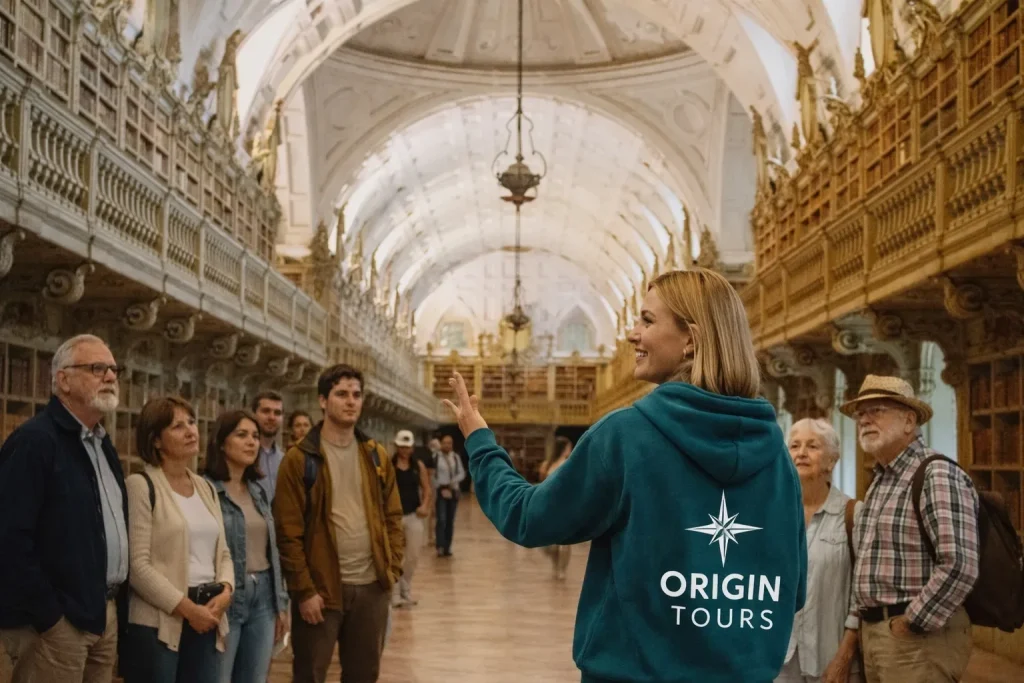 Mafra
Mafra Palace & Tapada de Mafra Guided Tour
Discover the National Palace of Mafra on a guided tour. Explore the Basilica, library, and Tapada de Mafra, and end your tour at the José Franco’s Village Museum.
 MafraPickup
Mafra National Palace & Convent Guided Tour
Discover the Mafra National Palace and Convent on a guided tour. Explore the vast palace rooms, enter the legendary library, and hear stories of myth, mystery, and reality.
-
29km
Guincho 17th-century fort
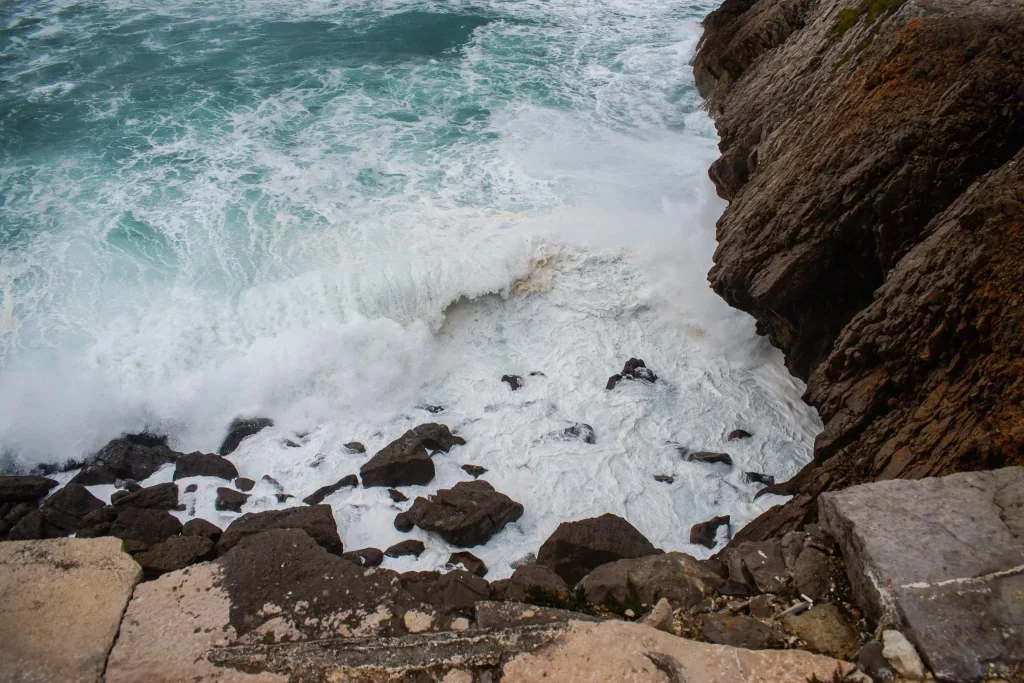
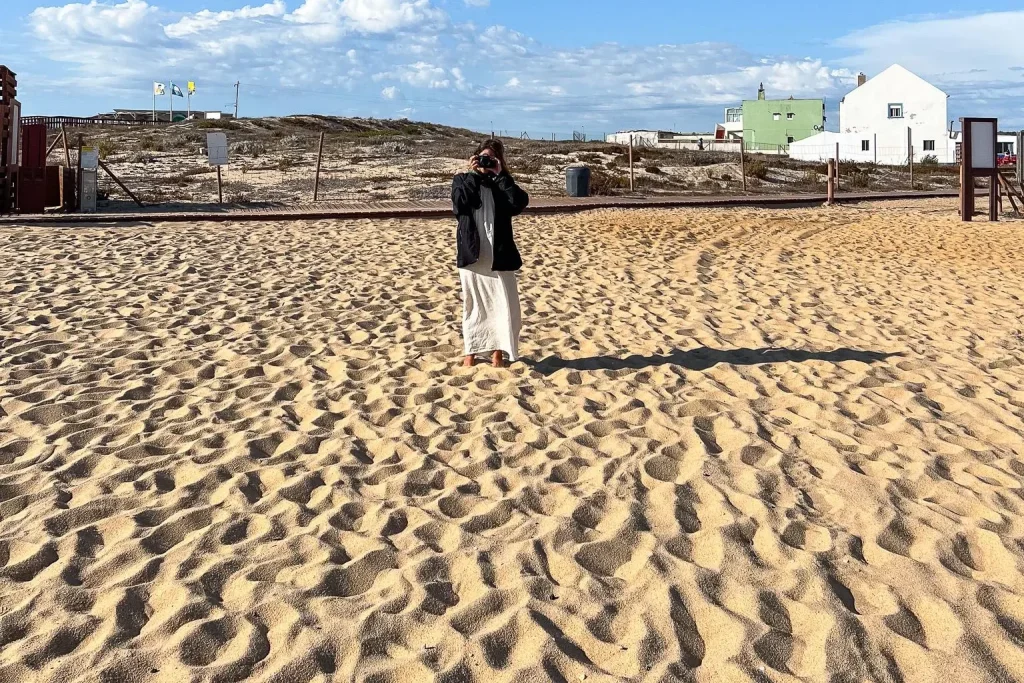
At Guincho the Sintra hills meet the open Atlantic. Wind-blown dunes cross the coast here inside the Sintra-Cascais Natural Park, and for centuries this exposed shore was a frontier to watch and defend. The 17th-century Forte da Cresmina is one of the coastal forts built to guard the approaches to Lisbon. Today the same wind makes Guincho one of Europe's best-known surf, windsurf and kitesurf beaches.
-
49km
Comporta Rice, salt & sea
Comporta sits between the Sado estuary and the Atlantic, in a landscape of rice paddies, salt flats, pine forest and dunes. For generations its people lived from rice, fishing and salt. At nearby Carrasqueira, fishermen still use a harbour of wooden stilt piers built over the mudflats, and the Sado Estuary Nature Reserve is home to storks, flamingos and a resident population of bottlenose dolphins.
-
81km
Montemor-o-Novo Charter of 1203
Montemor-o-Novo grew around a hilltop castle on the road between Lisbon and the Alentejo. King Sancho I granted the town its charter in 1203, and its medieval walls still crown the hill above the plain. It is also the birthplace of Saint John of God, born here in 1495 and founder of the Hospitaller order that still cares for the sick around the world.
-
98km
Nazaré Since 1182
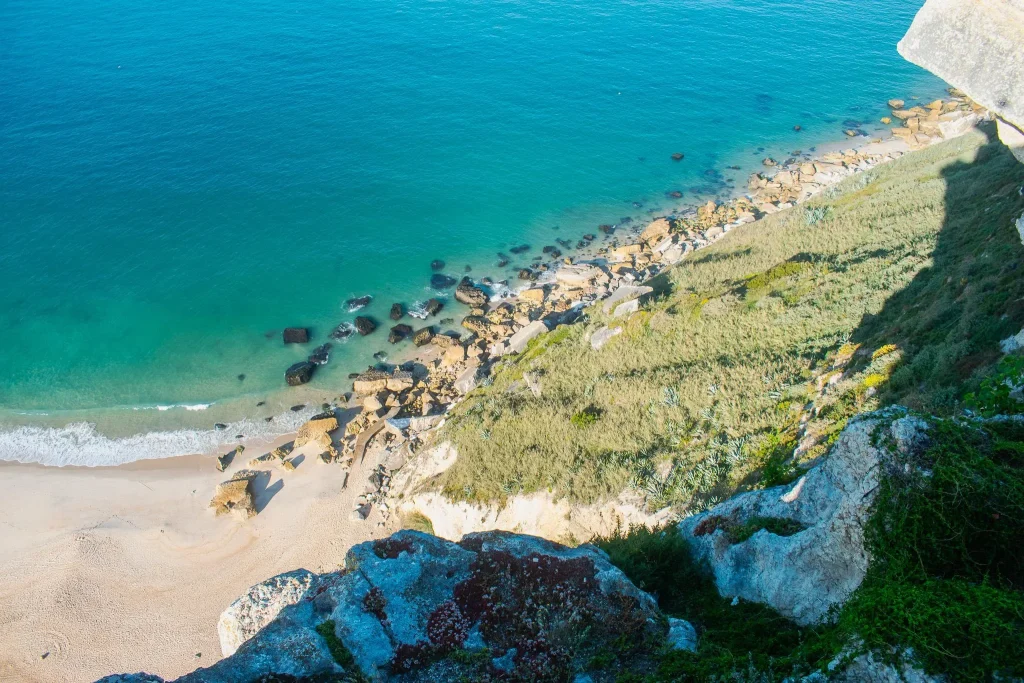
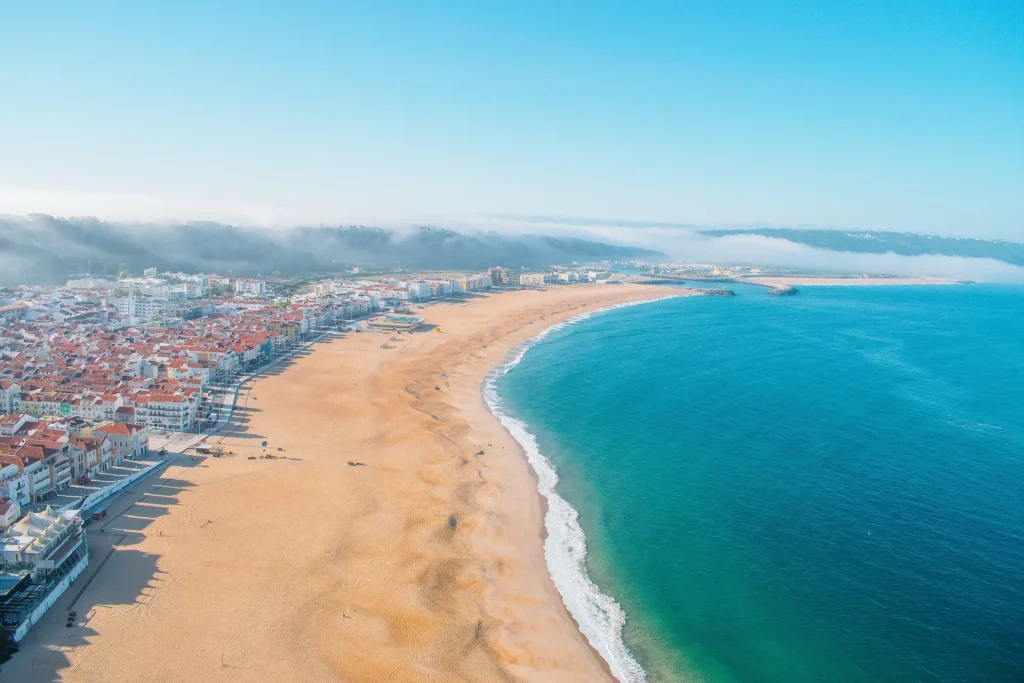
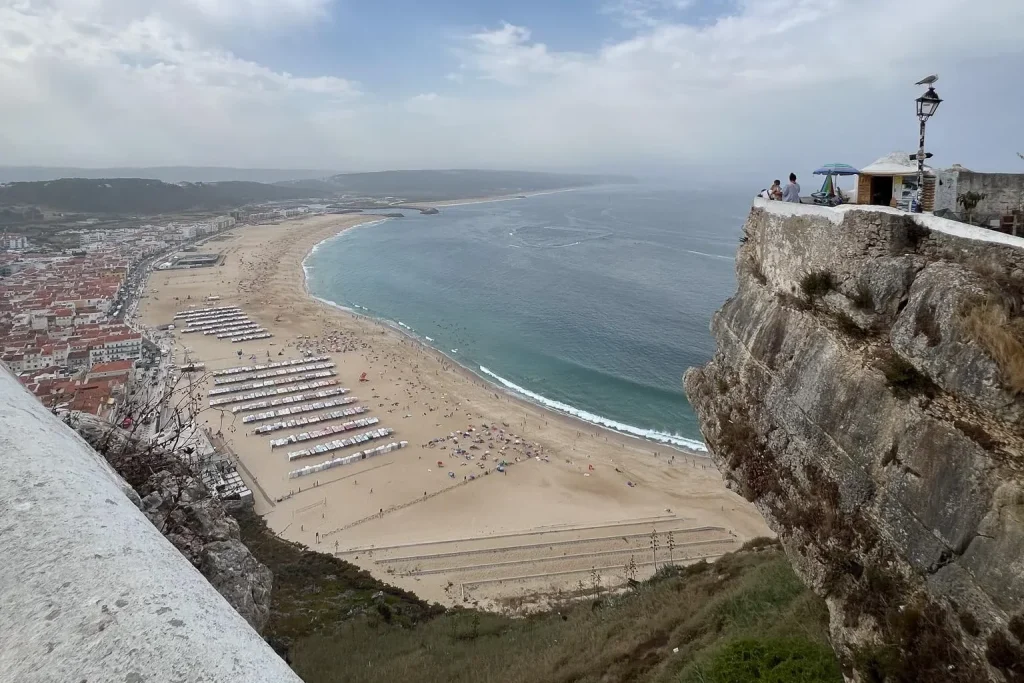
Nazaré's story starts with a legend. In 1182 the knight Dom Fuas Roupinho was chasing a deer in the fog when his horse stopped at the edge of the cliff of Sítio, and he credited Our Lady of Nazaré with saving his life. A chapel and a sanctuary followed, and a fishing town grew on the beach below. Offshore, the Nazaré Canyon, one of the largest submarine canyons in Europe, focuses the swell into the giant waves of Praia do Norte.
 Nazaré
 Walking Tour: Local Stories & Legends
Discover the history and culture of Nazaré on a guided walking tour. Learn about the giant waves, the Nazaré Canyon, and the people who have called this place home for centuries.
 Nazaré
 Hidden Gems Walking Tour
Explore Nazaré's hidden gems on a walking tour with a local guide. Visit the fish market, learn about the 7 skirts tradition, and enjoy stunning views from Sítio.
 NazaréPickup
Nazaré Origins Day Trip from Lisbon
Discover the origins of Nazaré on a day trip from Lisbon. Learn about the town’s history, explore the village, and enjoy free time to explore the town’s food, views, and atmosphere.
-
116km
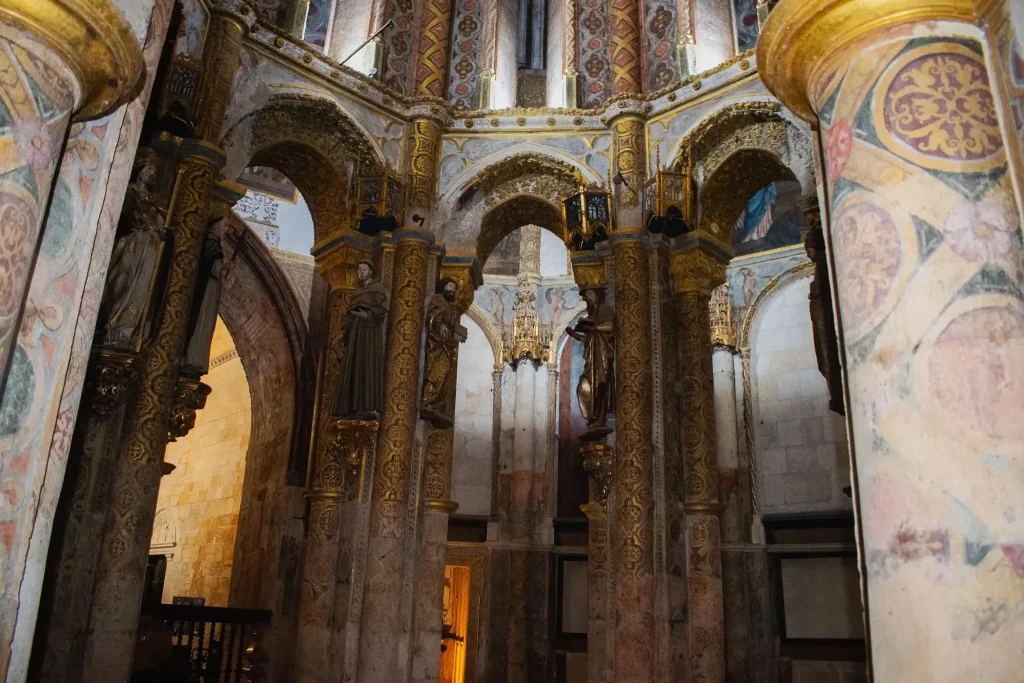
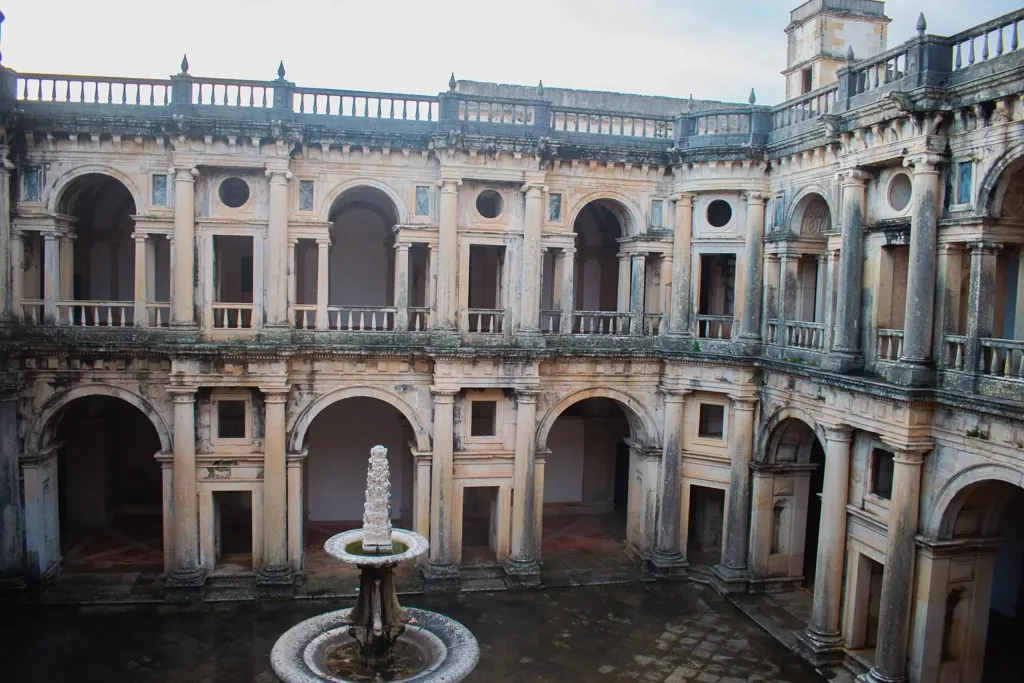
Tomar Since 1160
Tomar was founded in 1160 by Gualdim Pais, master of the Knights Templar in Portugal, who built the castle and the round church known as the Charola. When the Templars were dissolved, King Dinis created the Order of Christ in 1319 to inherit their lands. Under Prince Henry the Navigator the Order helped finance the voyages of discovery, which is why its red cross sailed on Portuguese caravels. The Convent of Christ is a UNESCO World Heritage Site.